Buying
A buyer's playbook for Sedgefield
Buying a 1950s or 1960s home in an established neighborhood means buying not just a house, but a set of systems and a lot that come with real history. Here's what to check, and how to think about offers inside the loop.
Start with the era of the home, not just the listing photos
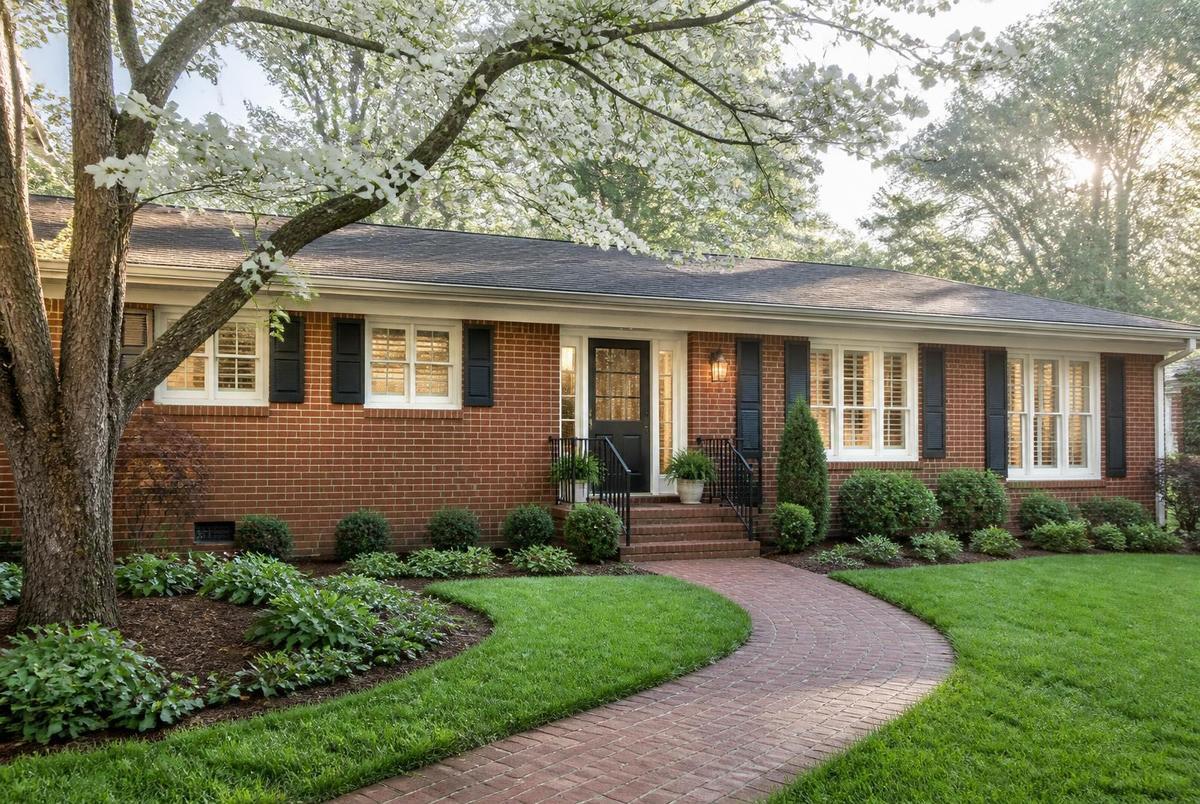
Most of Sedgefield's original housing stock dates to the 1950s and 1960s. That era of construction is generally solid — masonry veneer, real hardwood floors, sound framing — but it also predates several building code and materials standards that buyers take for granted today. A thorough inspection matters more here than in a subdivision built in the last decade, and it's worth budgeting for specialists beyond a general home inspector when red flags appear.
Systems and structure to scrutinize
Sewer laterals and cast iron plumbing
Homes from this era commonly used cast iron drain lines, which corrode from the inside over decades and can fail without obvious exterior symptoms until a backup occurs. A sewer scope — a camera run through the home's lateral line to the street or septic connection — is a worthwhile add-on inspection for any pre-1970s Sedgefield home, and can reveal root intrusion, bellies, or corrosion that a standard inspection won't catch.
Knob-and-tube and older wiring
While much of Sedgefield's wiring has been updated over the decades, knob-and-tube or early cloth-insulated wiring can still be present in homes that haven't seen a full renovation, particularly in attics or areas that were never opened up. This matters both for safety and for insurability — some insurers require knob-and-tube wiring to be replaced or a home may face higher premiums or coverage restrictions.
Foundation and crawlspace condition
Most Sedgefield ranches sit on crawlspaces rather than slabs. Moisture management, vapor barriers, structural support piers, and signs of past water intrusion are worth a close look — crawlspace issues are common in homes of this age and can range from a simple vapor barrier upgrade to more significant structural repair.
HVAC age and ductwork
Many original homes have had HVAC systems replaced at least once, but ductwork routed through crawlspaces or additions can be older, poorly sealed, or undersized for additions that expanded the home's footprint. Ask for service records and consider an HVAC-specific evaluation on any system nearing or past its typical service life.
Mature trees
Sedgefield's tree canopy is one of its defining features and part of what buyers love about the neighborhood — but mature trees close to a foundation or roofline can also mean root intrusion into sewer lines, storm damage risk, and higher tree-maintenance costs. An arborist opinion is worth considering for large trees close to the home.
Survey and setbacks
Because many Sedgefield lots have seen additions, fences, and outbuildings added over the decades, a current survey is worth obtaining, particularly if you're considering a future addition. Confirm actual property lines and any recorded easements before assuming a lot's usable footprint, and check current zoning setbacks with the City of Charlotte if a future addition or accessory structure is part of your plan.
Offer strategy inside the loop
Sedgefield competes for buyer attention with Dilworth, Madison Park, and other inside-the-loop neighborhoods, which means well-priced, well-maintained homes on good streets can move quickly. A few practical notes for structuring an offer:
- Get pre-underwritten, not just pre-approved, if you anticipate competition — it signals a stronger, more certain offer to sellers.
- Don't skip the inspection contingency to compete on price alone. Given the systems issues outlined above, an informed inspection often matters more than shaving a few days off closing.
- Factor renovation cost into your offer, not just the purchase price, if the home needs system updates — a lower offer on a home needing electrical or plumbing work can still be the stronger overall deal.
- Work with an agent who knows Sedgefield specifically, since street-level knowledge (which blocks have seen recent renovation activity, which lots have drainage quirks) is hard to replicate from a general Charlotte-wide search.
Discover Sedgefield is an independent editorial resource; Peters & Associates is referenced as a local informational partner. See our Advertising Disclosure.